

Keys, held properly
Your keys stay at our office, not in a box outside your gate. Nobody goes onto the property without us knowing, and you get told who was there and why.
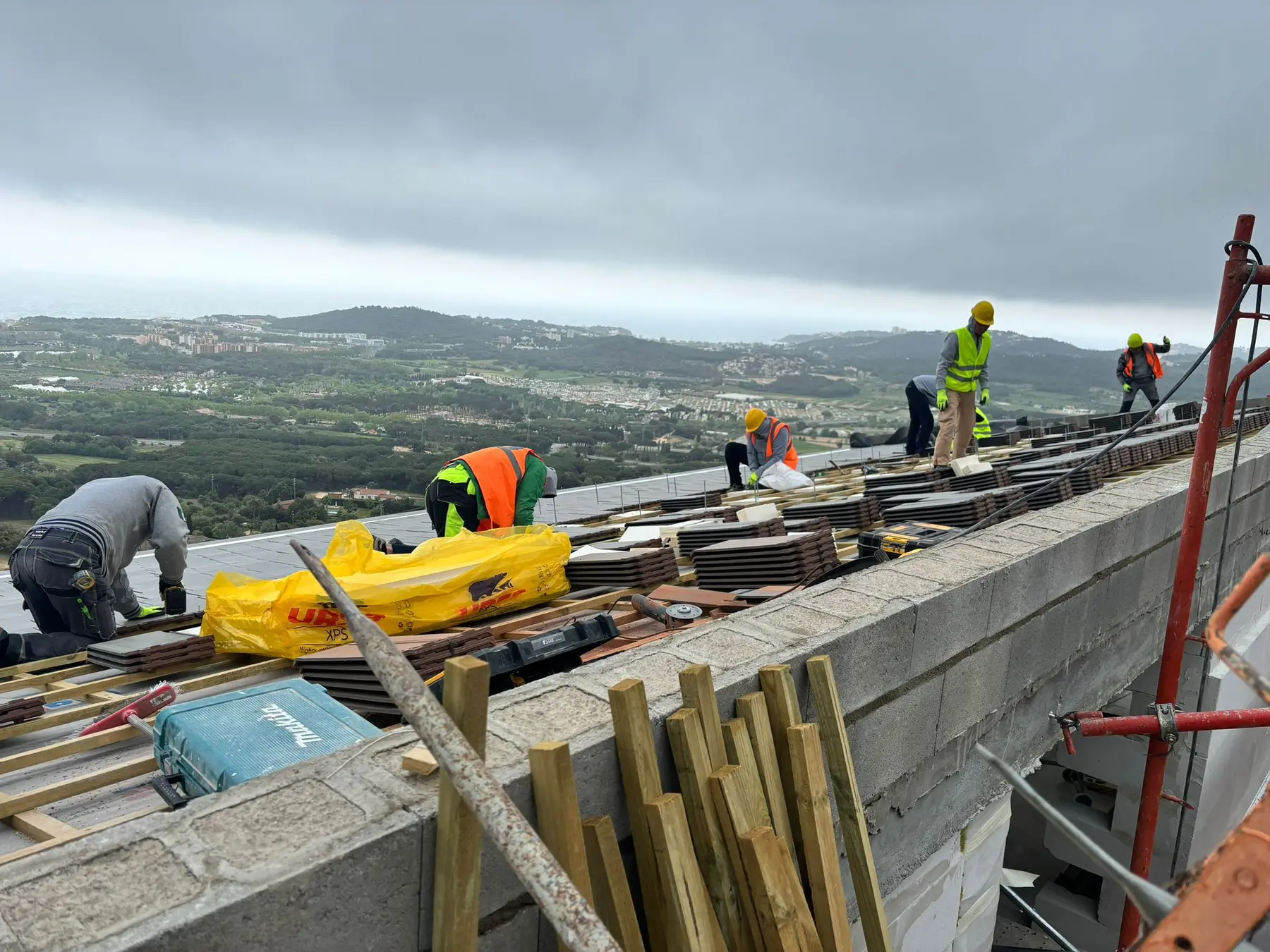
S'Agaró was designed as a single thing in 1924 and it has been looked after carefully ever since. A house here is not a house that tolerates a subcontractor turning up unannounced, and the way we work in S'Agaró reflects that.
In 1924 the industrialist Josep Ensesa and the architect Rafael Masó began building a noucentista garden city on the headland between the beach of Sant Pol and the cove of Sa Conca. Masó built around twenty houses before his death in 1935, along with the stairs, squares, pergolas and viewpoints that hold the place together, and the first Hostal de la Gavina. Roughly 1,700 people live in S'Agaró now.
The result is the most architecturally coherent address on this coast, and coherence has to be maintained. Stonework, ironwork, planting and painted render were all part of one design, and they age at their own rates. The Camí de Ronda that runs the headland between Sant Pol and Sa Conca has been listed as a cultural asset of national interest since 1995. None of this is a reason to be nervous about owning here, but it is a reason not to hand the keys to whoever answered the phone first.
We hold keys, inspect on an agreed rhythm, add a storm check when you want one, and use our own team for the pool, the garden, the cleaning and the repairs. Owners here usually want two things beyond the ordinary: discretion about who is on the property and when, and someone who will not let a small piece of stone or iron sit until it becomes a large one.
S'Agaró is small enough to walk across and still has clearly different parts, which is one of the things the original plan got right.
S'Agaró Vell
The original garden city, running from the beach of Sant Pol up to the viewpoint square, built to Masó's noucentista design from the mid-1920s onwards. Stone, wrought iron, render and mature planting, all of it designed together. Maintenance here is about keeping pace with the fabric rather than modernising it.
S'Agaró Nou
The later residential streets that grew inland and around the original core. More conventional villas, private pools and real gardens, most of them second homes used through the season and closed for the rest of it.
Sa Conca
The cove at the north end of the headland, where the Camí de Ronda comes out. Houses close to the water with the maintenance list that goes with that: salt, wind, and terraces that take the weather from the open sea.
Sant Pol beach at the southern end belongs to Sant Feliu de Guíxols, and we work both sides of that boundary, so nothing gets dropped because of which municipality a house is technically in.
Your keys stay at our office, not in a box outside your gate. Nobody goes onto the property without us knowing, and you get told who was there and why.
Stone, iron, render and terrace surfaces as well as the usual water, power and damp. On this coast a small crack in render becomes a repointing job within a season or two if nobody catches it.
Our own team, working to a schedule you set. Mature planting here is part of the design and gets cut accordingly rather than tidied into a different shape.
Tell us about the property and how you use it. We will come back with a plan, a price and the name of the person who will actually be looking after it.